Does This Unit Work for You? A Checklist Before Placing Your F&B Rental Deposit
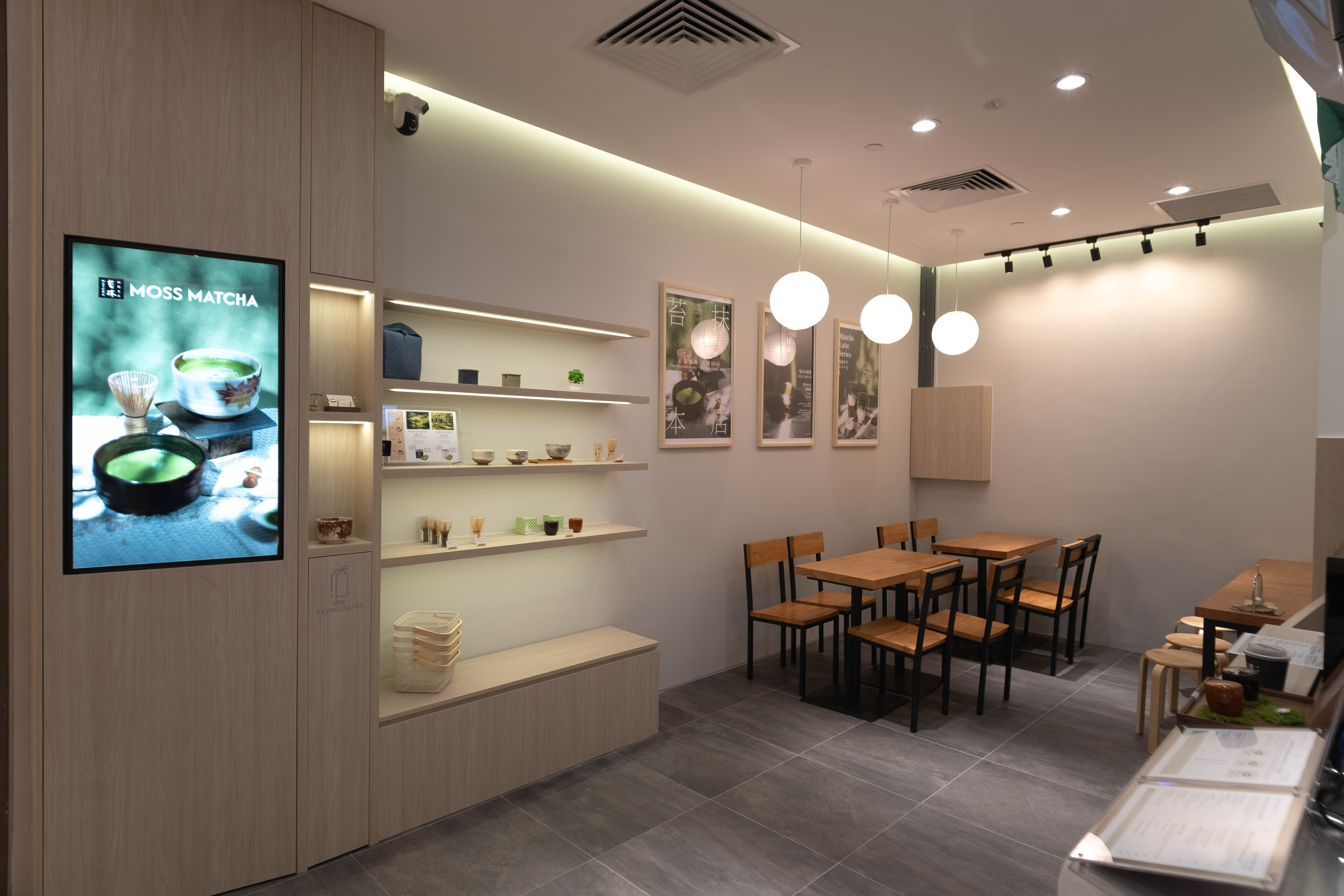
Does This Unit Work for You? A Checklist Before Placing Your F&B Rental Deposit
You have finally found it: a unit in a trendy neighborhood with great foot traffic, beautiful natural light, and a landlord willing to negotiate. The temptation to instantly transfer the rental deposit and secure your dream shop is overwhelming.
However, for a home-based F&B business transitioning to a physical storefront, rushing into a commercial lease is the most expensive mistake you can make. A unit that looks perfect to the naked eye might be an absolute nightmare for f&b interior design in Singapore. Hidden structural limitations can prevent you from getting a food license, or force you to spend your entire budget on invisible electrical upgrades.
At Skai Atelier, we frequently accompany our clients to site viewings before they sign their leases. As a specialized cafe interior designer, we look past the cosmetic appeal and assess the unit's technical viability. Before you hand over that deposit, run through this critical commercial checklist.
1. The M&E (Mechanical & Electrical) Reality Check
The backbone of any successful cafe is its infrastructure. If the unit cannot support your equipment, it is useless.
Electrical Load: Does the unit have a 3-Phase power supply? Commercial espresso machines, baking ovens, and multiple display chillers draw a massive amount of electricity. Upgrading the electrical load from the building’s main switchroom is incredibly costly and sometimes outright rejected by building management.
Water Points and Floor Traps: Are there existing water inlets and a floor trap for drainage? SFA regulations require multiple sinks (handwashing, prep, and dishwashing) and a mandatory grease trap. If the unit lacks proper floor drainage, creating it from scratch may involve hacking the concrete slab, which landlords rarely allow.
Exhaust Feasibility: If you plan to bake or cook on-site, you need a commercial exhaust hood. Check if the building has an existing central exhaust duct you can tap into, or if they allow you to route a new duct to the exterior.
2. URA Zoning: Can You Legally Sell Food Here?
Never assume a retail space can be converted into a cafe.
Approved Use: Check the Urban Redevelopment Authority (URA) master plan. If the unit is zoned purely for "Retail" (like a clothing store), you must apply for a "Change of Use" to F&B. This is not guaranteed.
The Exit Clause: A professional interior designer for cafe projects will always advise you to include a clause in your Letter of Intent (LOI) stating that the deposit is fully refundable if URA rejects your Change of Use application.
3. The Physical Layout & SFA Compliance
A beautiful, quirky space might be an operational disaster for your staff.
The FOH/BOH Split: Can the floor plan realistically accommodate a 60/40 split between the Front-of-House (seating) and Back-of-House (kitchen)? If the unit is oddly shaped (e.g., a long, narrow corridor), achieving the strict one-way workflow mandated by the Singapore Food Agency (SFA) might be impossible.
Ceiling Height: High ceilings are great for aesthetics, but check the drop of the existing fire sprinklers and air-conditioning ducts. If the usable ceiling height is too low, installing a massive commercial exhaust hood will make the kitchen feel claustrophobic and fail FSSD fire safety clearance.
4. Uncovering Hidden Takeover Fees
If you are taking over an existing cafe unit, you might be asked to pay a "Takeover Fee" to inherit their equipment and renovations.
Assess the Value: Are you actually going to use their existing cafe interior design? If their layout does not fit your brand's workflow, or if their exhaust ducting is old and non-compliant, you are paying a takeover fee for "assets" you will end up paying a contractor to demolish anyway.
5. Negotiating the Rent-Free Fit-Out Period
Commercial renovations take time. You do not want to be paying full rent while your shop is a dusty construction zone.
The Fit-Out Window: Landlords typically offer a rent-free "fitting-out" period. For a standard F&B unit, you should negotiate for at least 1 month (preferably 2 months) of rent-free time to allow your f&b interior designer to secure the necessary permits, complete the renovation, and pass the SFA inspections before your grand opening.
About the Author
FAQ
1. Should I bring an interior designer to view the unit before I rent it?
Yes, absolutely. Engaging an interior designer for a site feasibility study before you sign a lease can save you from renting an unworkable space. We can instantly spot red flags regarding exhaust routing, electrical capacity, and potential SFA compliance issues that real estate agents might miss.
2. What is the difference between a "bare shell" and a "takeover" unit?
A "bare shell" unit is completely empty—just concrete floors and bare walls. You have to build everything from scratch, which means higher renovation costs but total design freedom. A "takeover" unit was previously an F&B shop, meaning it likely already has air-conditioning, an exhaust duct, and a grease trap installed, which drastically lowers your Mechanical & Electrical (M&E) renovation costs.
3. What happens if the electrical load isn't enough for my cafe equipment?
If the unit has a single-phase supply and you need 3-phase power, you must apply to SP Group and the building management for an electrical load upgrade. This is a lengthy, expensive process. If the building's main switchboard is already at maximum capacity, your request will be denied, and you will not be able to operate your heavy commercial equipment in that unit.
4. How do I check if a unit is approved for F&B use in Singapore?
You can verify the approved use of the premises by checking the Urban Redevelopment Authority (URA) online portal or by formally requesting the property agent to provide the latest URA Grant of Written Permission. Never rely solely on verbal confirmation.
5. Can I negotiate the reinstatement clause in my tenancy agreement?
5. Can I negotiate the reinstatement clause in my tenancy agreement?
6. How do I get an initial quote for my project?
The best way is to Book a Discovery Call through our website. During this session, we discuss your budget, functional requirements, and design preferences to provide a transparent and comprehensive preliminary estimate.