Cafe Renovation Singapore Guide (2026) – What Business Owners Should Know
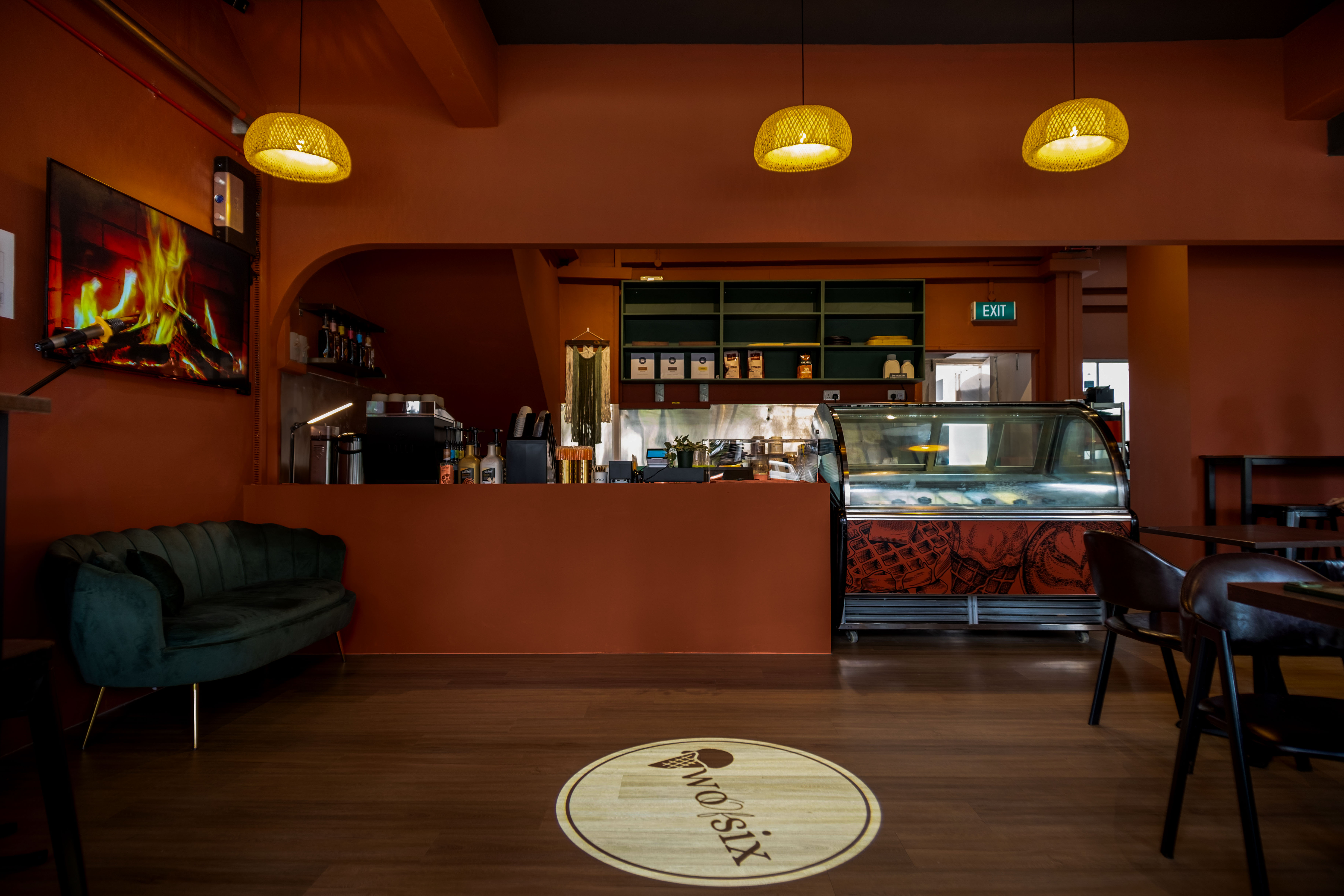
Is café renovation considered commercial renovation in Singapore?
Opening a café involves much more than choosing a concept or designing a menu. A successful cafe renovation Singapore project requires careful planning across design, compliance, and operational efficiency.
Whether you are launching a new concept or refreshing an existing outlet, understanding the key stages of F&B renovation Singapore can help ensure the project runs smoothly. From spatial planning and workflow design to regulatory approvals and construction coordination, each step plays an important role in shaping a successful hospitality space.
This guide provides an overview of what café owners should know before starting a cafe interior design Singapore project, helping entrepreneurs navigate the planning process with greater confidence.
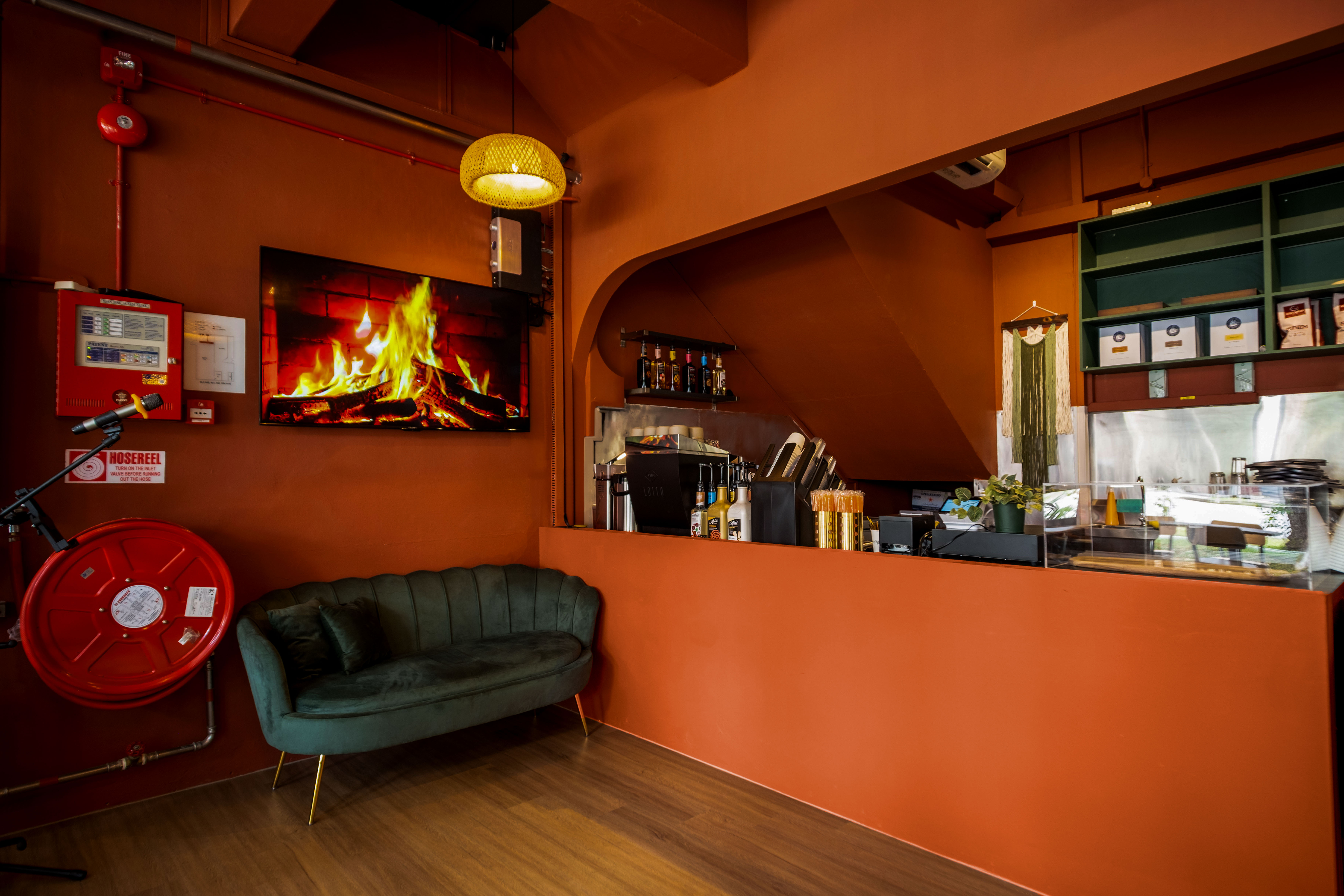
1. Understanding Café Renovation as Commercial Renovation
Unlike residential renovations, café renovations fall under the category of commercial renovation, which involves stricter regulatory requirements and more complex planning. Businesses must ensure that their space complies with fire safety standards, food hygiene regulations, mechanical ventilation requirements, and building management guidelines.
These requirements exist because commercial spaces accommodate large numbers of people and involve operational risks such as cooking equipment, electrical load demands, and ventilation systems. As a result, renovation planning often involves coordination between designers, contractors, consultants, and building management.
Beyond compliance, café renovations must also support the long-term success of the business. Layout design influences service speed, staff productivity, and seating capacity, all of which directly affect revenue.
Understanding café renovation as a structured commercial project rather than simply an interior makeover helps business owners approach renovation decisions with greater clarity and preparation.
2. Key Planning Stages Before Renovation
Effective renovation planning begins well before construction starts. One of the most important steps is evaluating the existing condition of the unit. Factors such as electrical capacity, drainage access, ventilation provisions, and building usage classification can significantly affect renovation scope and cost.
Another key consideration is aligning the renovation with the café’s concept and business model. For example, a takeaway-focused coffee bar requires very different infrastructure compared to a full-service dining concept. Equipment needs, kitchen size, and seating layout must reflect the operational strategy of the business.
Budget planning is also essential. Commercial renovation budgets should include design consultation, construction works, equipment installation, regulatory submissions, and contingency allowances. Without a structured financial framework, renovation costs can quickly escalate due to unforeseen technical requirements or site conditions.
Thoughtful planning at this stage reduces the likelihood of costly redesigns and ensures the renovation process proceeds smoothly.
3. Design & Operational Efficiency
While visual aesthetics play an important role in attracting customers, the most successful cafés are designed with operational efficiency in mind. A well-planned layout enables staff to move efficiently between workstations, reduces service bottlenecks, and supports a smooth customer flow.
Workflow planning is particularly important in cafés where peak-hour demand can create pressure on staff and equipment. Strategic placement of coffee machines, preparation counters, storage areas, and point-of-sale systems can significantly improve daily operations.
Customer circulation is another key design consideration. Entrance placement, queue positioning, and seating arrangements all influence the overall experience of visitors. A well-designed café balances comfort with seating efficiency, allowing the space to accommodate customers without feeling overcrowded.
Ultimately, good design is not just about visual appeal. It is about creating an environment that supports both customer experience and operational productivity.
4. Compliance & Approval Considerations
One of the most common challenges in Singapore café renovation projects is navigating regulatory approvals and building management requirements. Before renovation work begins, businesses may need to secure approvals related to fire safety, food hygiene standards, and landlord renovation guidelines.
The approval process often requires detailed planning documents, including layout drawings and technical specifications. Incomplete submissions or poorly coordinated plans can lead to delays that extend renovation timelines and increase costs.
Mechanical systems such as ventilation and exhaust installations frequently require coordination between multiple contractors and consultants. These systems are essential for maintaining safe and comfortable working conditions in food preparation environments.
Understanding compliance requirements early in the renovation process helps prevent costly disruptions and ensures that the project progresses according to schedule.
5. Why Strategic Renovation Planning Matters
For many café owners, renovation represents one of the largest investments required to launch a new business. Poor planning can lead to budget overruns, operational inefficiencies, and delays in opening.
Approaching renovation as a strategic commercial project allows business owners to align design decisions with long-term operational goals. Professional consultation, careful planning, and realistic budgeting all contribute to smoother project execution.
By understanding the broader considerations involved in café renovation, business owners can make informed decisions that support both the launch and the future growth of their business.
About the Author
FAQ
1. How much does cafe renovation cost in Singapore?
The cost of cafe renovation Singapore projects varies depending on factors such as unit size, equipment requirements, and design complexity. Most F&B renovation Singapore projects include interior design, construction, electrical works, and equipment installation.
2. How long does a cafe renovation project take?
Most cafe renovation Singapore projects take between 4–8 weeks depending on the size of the space, approval requirements, and the scope of renovation work involved.
3. Do cafés require FSSD approval in Singapore?
Some commercial renovation Singapore projects for cafés require approval from the Fire Safety and Shelter Department (FSSD), especially when cooking equipment or mechanical ventilation systems are involved. Especially if there are new walls and doors erected.
4. What should be considered in cafe interior design?
A well-designed cafe interior design Singapore project should consider customer flow, seating layout, service counter design, lighting, branding, and kitchen workflow.
5. When should I start planning my cafe renovation?
5. When should I start planning my cafe renovation?
6. How do I get an initial quote for my project?
The best way is to Book a Discovery Call through our website. During this session, we discuss your budget, functional requirements, and design preferences to provide a transparent and comprehensive preliminary estimate.